The "Morning Matcha" Trend Everyone's Talking About Is Real. But Most Women Are Doing It Wrong.
If you tried the morning matcha for food noise and felt nothing, you are not doing it wrong on purpose. You are missing two of the three steps.
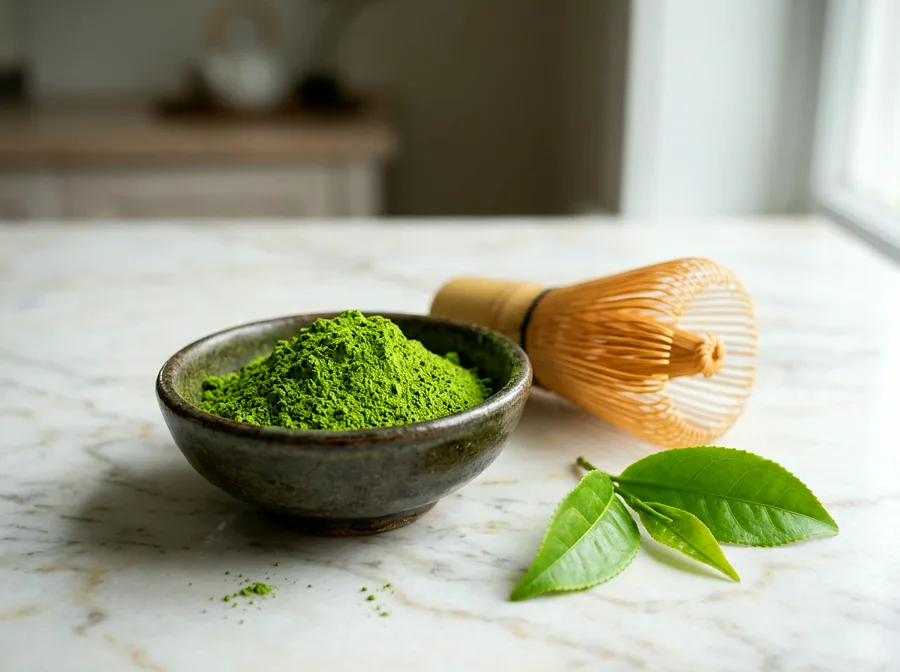
You've seen the videos.
Women in their kitchens, whisking bright green powder at 7 a.m., swearing that the "morning matcha" finally made the constant thinking about food go quiet.
But almost every version online leaves out the most important part.
The matcha is only one of three steps.
Use it alone, or skip the other two, and you may feel nothing at all.
I'm Laura. I'm not a doctor and I'm not selling you a program. I'm the older sister who got it completely wrong. And before I show you all three steps, I need to tell you how I found out why my own sister could eat less than me and still gain weight.
If You Eat Less Than Your Thin Friend and Still Gain Weight, Read This First
Let me guess.
You've tried the programs. The shakes. The gummies. The treadmill that is now a very expensive coat rack.
You eat less than the naturally thin woman down the street. You move more than she does. And your body holds on to every pound anyway.
Then someone says the two most insulting words in the English language: "eat less."
I know how much that stings. Because those are the same two words I said to my own sister.
So let me say what nobody has said to you yet.
It was never only about willpower. For a lot of women, the body is stuck in a stress pattern that makes the hunger louder, and the dieting makes it worse.
Until you understand that, nothing feels like it works.
I Was the Thin Sister. I Told Her to Try Harder. I Was Wrong.
For most of my life I was the "lucky" one. I could eat what I wanted and never think about it.
I believed that was discipline. Something other people just didn't have.
So when my younger sister Karen couldn't lose the weight after menopause, I told her the same thing everybody tells you. Eat less. Move more. Try harder.
I need to confess that, because it's the reason I'm writing this.
One night she looked at me and said, "Laura, I AM. I swear I am."
So I decided to prove it, one way or the other. For two weeks I wrote down everything we both ate and how much we walked.
When I looked at the two columns, I felt sick. My sister was eating less than me. She was walking more than me. And she was the one gaining.
She wasn't lazy. She wasn't lying. Her body was simply reacting to the same food in a completely different way.

The Research That Finally Explained What Was Happening
I started reading. Months of it.
The first thing that stopped me was about cortisol, the body's main stress hormone. It is supposed to rise under pressure and come back down. But with years of stress, poor sleep and dieting, many women live with it switched on.
In a well-known lab study, women who released more cortisol under stress ate more afterward, and they reached for sweet, high-fat food.1
Then I found the line I read five times. A study of 121 women found that strict 1,200-calorie dieting raised cortisol.2
So all those years of "eat less" were turning the volume up.
That was Karen. That was every woman I knew who ate like a bird and still felt hungry all the time.
It's Not That You Eat Too Much. Your Body Is Stuck in Store Mode.
Here's the simple version.
A calm, well-fed body sends "I'm full" signals from the gut after a meal, including GLP-1, the same signal the weekly shots copy. Food leaves your mind. You put the fork down.
A body stuck in stress mode has a harder time hearing those signals. You finish dinner and still want something sweet. You eat lunch and think about snacks an hour later.
Same plate of food. Opposite response.
It is not in your head and it is not a character flaw. Your body's "I'm done" signal has gone quiet, and the stress signal is too loud.
See How Many of These Sound Like You
If four or more of these sound familiar, the problem may not be how hard you are trying.
- You eat less than people who stay naturally thin, but your body holds on anyway.
- You think about food even when you know you are not really hungry.
- The worst cravings hit in the afternoon or late at night, especially on stressful days.
- Your body seemed to "change the rules" after 40, menopause, stress or years of dieting.
- You lost weight on a diet or the weekly shots, and it came back when you stopped.
- Your middle holds weight first and lets it go last.
- You are tired of starting over every Monday.
That was Karen. And once I understood it, there were only four ways to approach it.
There Are Only Four Ways to Fix This. Three of Them Let You Down.
Way #1: Diet harder.
You already know how this ends. Strict dieting can raise cortisol, so the hunger gets louder, not quieter.2
Way #2: Exercise more.
Movement is good for you. But it doesn't switch off the stress signal on its own. Karen walked more than me and still gained.
Way #3: The weekly shots.
They can quiet the noise while you are using them. But in a study of more than 125,000 US adults who started them, about two in three without diabetes had stopped within a year.3 And in the STEP 1 trial, people regained about two thirds of the weight they had lost within a year of stopping.4
Way #4: The three-step morning routine.
Calm the stress signal. Support the "I'm full" signal from the gut. Keep the afternoon steady. All three, every morning, in one simple step. That is what finally made sense for Karen.
Maybe you already tried matcha on its own and felt nothing. Of course. One ingredient can only do one job.
Calm. Support. Steady. In That Order.
Each step has one job. Miss one and the whole routine weakens. That is why a cup of matcha by itself isn't the full answer.
Calm the stress signal. (Ceremonial matcha.)
Matcha is a shade-grown green tea rich in a compound called EGCG. In a 2014 laboratory study, EGCG blocked an enzyme the body uses to make active cortisol inside tissues.5 That was a lab study, not a pill trial, but it is why matcha comes first.
Support the "I'm full" side. (Probiotic blend and ginger.)
Your fullness signals start in the gut. A probiotic blend supports a healthy gut, and ginger has been used for generations for comfortable digestion.
Keep the afternoon steady. (Cinnamon and turmeric.)
Cinnamon is a kitchen classic for steady energy after meals, and turmeric is the root behind curcumin, widely studied for how it supports a healthy inflammation response.
Calm. Support. Steady. Not one ingredient. Five, working on the stress side and the fullness side at the same time.
Knowing the Ingredients Wasn't Enough
My first thought was the same as yours: "I'll buy matcha, ginger, cinnamon, turmeric and a probiotic and do it myself."
We tried. It lasted nine days.
Whisking matcha, measuring spices, remembering a separate probiotic, every single morning, on top of everything else a woman in her fifties is carrying. It never stuck. And grocery-store powders are never the same twice.
What Karen needed was all five in one place, in the same amounts every day, in something she could take in three seconds.
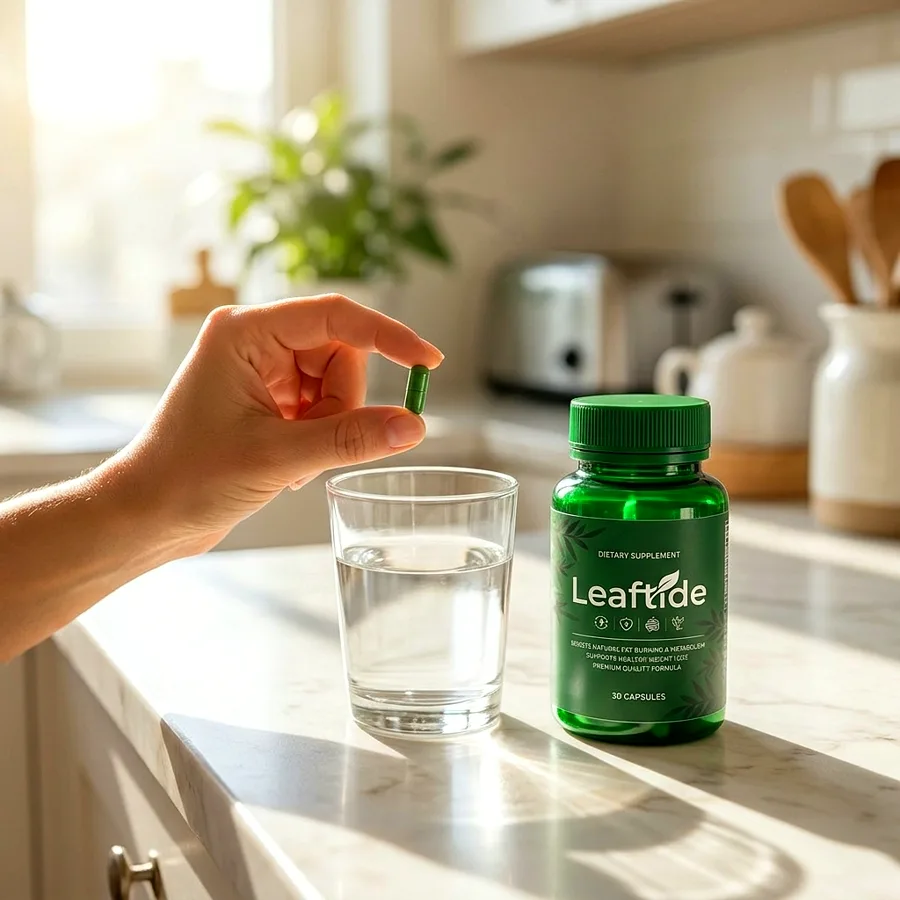
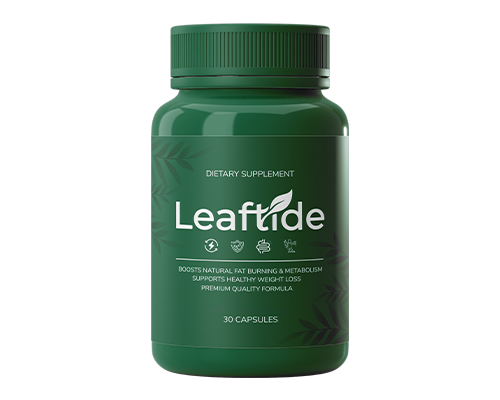
That is when we found LeafTide: one capsule in the morning with a glass of water. Ceremonial matcha, turmeric, cinnamon, ginger and a probiotic blend, together.
I Watched My Sister Change, One Week at a Time
No crash diet. No new gym plan. One capsule with water, every morning.
This is how Karen described it to me. Your experience can be different; nobody can promise a date.
She wasn't forcing herself to eat less. She finally felt satisfied on less.
And the part that still makes me emotional: she stopped hiding from photos with her grandkids.

What a Normal Day Can Start Feeling Like Again
You take one capsule with water in the morning. Then you go live your life.
One day like that feels good. Weeks of days like that can change how you feel about your body.
Would LeafTide Make Sense for You?
- Women over 40 whose bodies seem to have changed the rules.
- Women in perimenopause or menopause who feel hungrier and more stressed than before.
- Women tired of food noise and the constant negotiation around eating.
- Women who came off the weekly shots and don't want the noise to come back.
- Women who tried matcha or a probiotic alone and felt nothing.
- Women who want one simple morning step instead of another complicated program.
This is not for someone looking for a one-day miracle. It is for the woman ready to give a simple routine enough time to work.
The Shots Can Cost $1,000 a Month. Here Is What Staying Stuck Already Costs You.
Let's be honest about money. Not just the price of LeafTide. The price of things staying the way they are.
The weekly shots can run hundreds to more than a thousand dollars a month, depending on coverage.
And then there's the quiet graveyard of things you already tried. $49 for gummies. $59 for a "metabolism" powder. $129 for a program you stopped opening in week two. New jeans in a bigger size.
And the cost nobody puts on a receipt: another summer in a cover-up, another family photo you volunteer to take so you don't have to be in it.
Doing nothing is not free.
Karen Didn't Change in Two Weeks. That Changes What You Should Order.
The first thing she noticed came early. But the woman in the family photo, the one standing with the grandkids instead of behind the camera, that was month three.
Not because the routine is slow. Because your body has been running the same stress pattern for years, and a pattern that old doesn't change in a few mornings.
That's why women who try something for two weeks and quit feel like failures. They weren't failures. They were early.
So when friends ask me how much LeafTide to get, I tell them: get enough to give it a fair chance. Most people choose the 3-bottle package, a 90-day supply at the lowest price per bottle.
Where to Get LeafTide
LeafTide is sold only through its official checkout, not in stores or on Amazon.
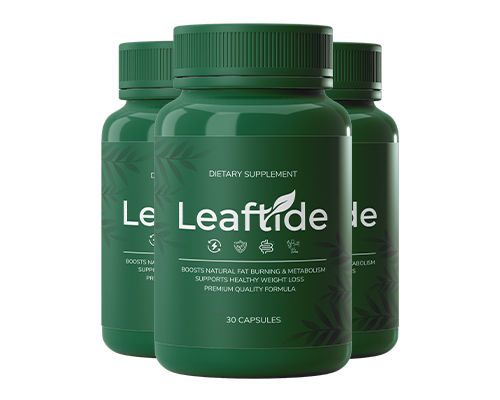 3 bottles$99$33 per bottle · 90-day supply · free US shippingChoose 3 bottles
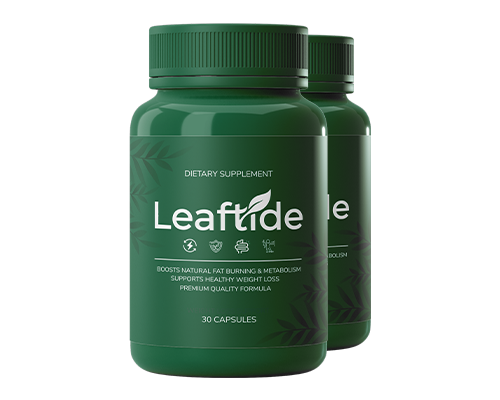 2 bottles$89$44.50 per bottle · free US shippingChoose 2 bottles
 1 bottle$7930-day supply · free US shippingChoose 1 bottle
Your order is a subscription: your package refills and is billed every 28 days at the same price until you cancel; cancel anytime by e-mail. Express shipping and a 365-day protection add-on may be pre-selected at checkout; both are optional, so remove them to pay only your package price.
Use the Whole Supply. If It's Not Right for You, Get Your Money Back.

I know you've been burned before. So here is the part that takes the risk off you.
LeafTide comes with a 90-day money-back guarantee. Take it every morning. Watch the afternoons. Watch the nights at the fridge.
If LeafTide is not right for you, e-mail support@getleaftide.com within 90 days of your purchase with your order number and ask for a refund.
Here Is Exactly What Happens After You Click
- Tap the button below and you'll go to the official LeafTide checkout.
- Choose your package. Most women choose 3 bottles.
- Check the optional add-ons and remove any you don't want.
- Start with one capsule and a glass of water the morning it arrives.
Three Months From Now, You'll Be Living One of Two Stories
Path one
Another Monday. Another restriction plan. The same afternoon cravings, the same midnight fridge, the same feeling that your body is working against you.
Path two
You stop treating this like a moral failure. You calm the stress signal, support the "I'm full" side and keep your afternoons steady. Three seconds every morning.
Picture the food noise quieter. Getting dressed with the door open. Being in the photo instead of behind the camera.
That isn't vanity. That's you, coming back.
With hope,
Laura Bennett
P.S. Karen sent me a photo last week. She wasn't behind the camera. She was in it, with the grandkids, laughing. That's the change I care about most.
P.P.S. A cup of matcha alone is not the routine. It only does the first job. LeafTide does all three: calm the stress signal, support the "I'm full" side, keep the afternoon steady.
- Epel E et al. Stress may add bite to appetite in women: a laboratory study of stress-induced cortisol and eating behavior. Psychoneuroendocrinology, 2001.
- Tomiyama AJ et al. Low calorie dieting increases cortisol. Psychosomatic Medicine, 2010.
- Rodriguez PJ et al. Discontinuation and reinitiation of dual-labeled GLP-1 receptor agonists among US adults with overweight or obesity. JAMA Network Open, 2025.
- Wilding JPH et al. Weight regain and cardiometabolic effects after treatment withdrawal: the STEP 1 trial extension. Diabetes, Obesity and Metabolism, 2022.
- Hintzpeter J et al. Green tea and one of its constituents, epigallocatechine-3-gallate, are potent inhibitors of human 11β-hydroxysteroid dehydrogenase type 1. PLoS One, 2014.
The "store mode" part FINALLY made me understand what my body has been doing for the last 12 years. I'm a physical therapist. I've told hundreds of patients "eat less, move more" my whole career. Ordering this today and I owe a lot of my patients an apology.
Corinne, don't beat yourself up. You were taught what everyone was taught. I told my own sister the same thing. The fact that you're open to updating is what makes you good at what you do. ♥
I already tried the "DIY" version. Bought matcha, ginger and a probiotic for like $40 at Whole Foods. Did it for 5 weeks. Lasted about as long as Laura's did, I kept forgetting the probiotic and the matcha tasted like grass. Ordering the real thing.
Michelle SAME. I did matcha alone every morning for 2 months and felt nothing. Then I read the part about it only doing one of the three jobs. Wasted 8 weeks. Not making that mistake twice.
2 kids. 51. Menopause changed everything and the snacking at night got out of control. Have not been in a photo with my grandkids in probably 4 years. Just ordered the 3 bottles. Coming back in 90 days with a family photo. Screenshot this.